
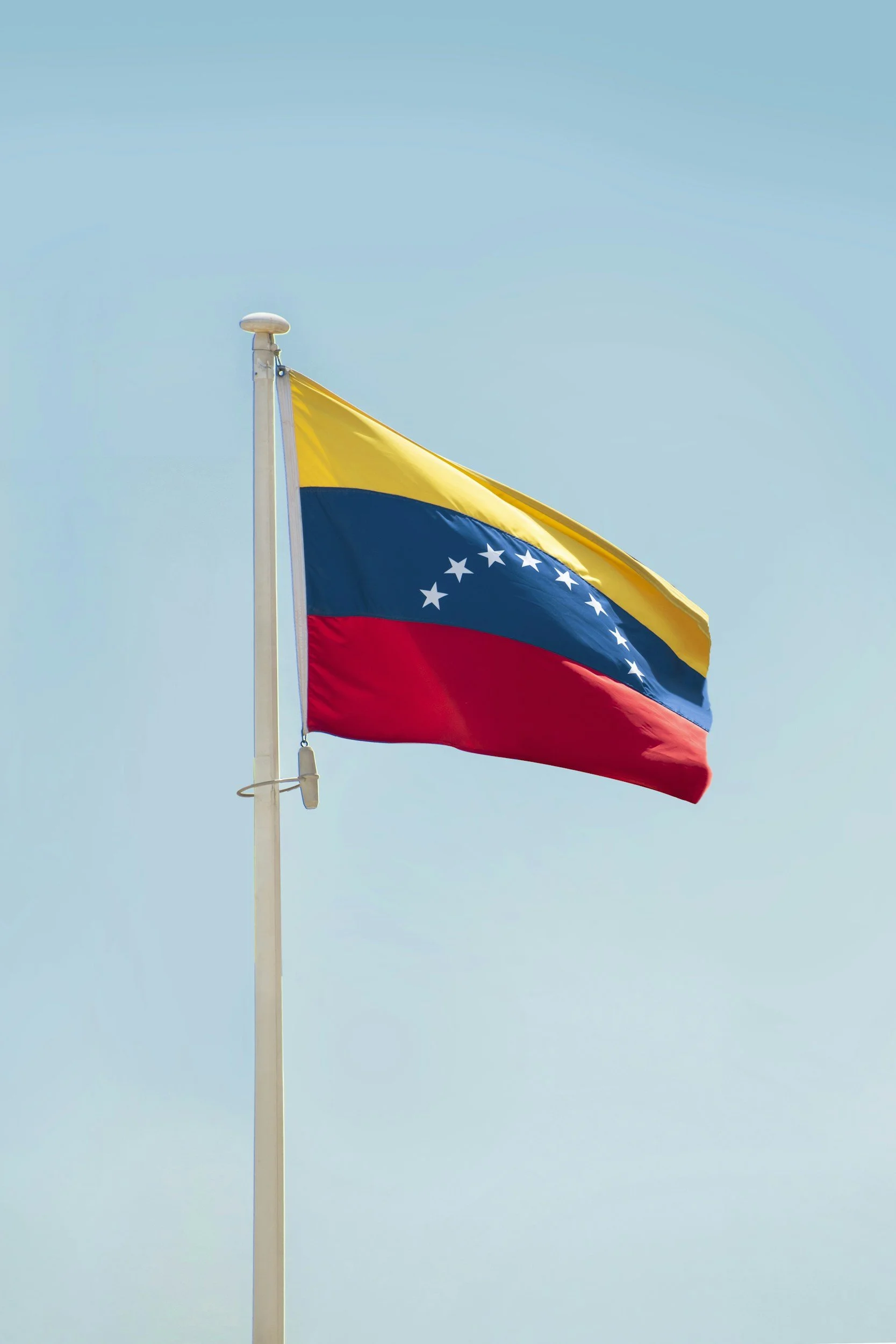
The US capture of Venezuelan President Nicolas Maduro to face drug trafficking charges in New York follows months of intensifying military pressure on Venezuela, including naval blockades and strikes on vessels allegedly linked to drugs trafficking. With President Trump declaring that the US will “run” Venezuela temporarily, the situation on the ground is ever-shifting and certainty is not a guaranteed outcome.
For MLROs and financial crime compliance teams, these geopolitical developments also bring financial crime and sanctions risks to the forefront: from uncertainty over the future of sanctions, to continued (and even increased) sanctions evasion activity, firms must remain vigilant and plan accordingly.
What is likely to happen with Venezuela sanctions regulations?
The short answer is that nothing has currently changed, and there is still a lot we do not know. The biggest question to be definitively answered includes who will be in charge of Venezuela in the long term. As of Monday January 5th, President Trump has declared his willingness to work with the new Venezuelan leader, former Vice President Delcy Rodriguez; however, warning that “if she doesn’t do what’s right, she is going to pay a very big price, probably bigger than Maduro”. Rodriguez, who first resisted US demands, has since stated that she is ready to “work together” with the US. This might suggest the intention of stability.
However, even if this scenario materialises in the short term, it is unlikely to result in any meaningful or immediate sanctions relief for Venezuela. Sanctions relief is likely to be very gradual, limited to key areas and easily reversible. Even if limited sanctions relief becomes a reality, businesses and banks will remain cautious given the fragility and uncertainty surrounding its longevity.
There remains another scenario in which Trump sours on Rodriguez, or an internal leadership struggle unfolds within Venezuela, leaving no one actor in charge. Under these circumstances, sanctions that target the Venezuelan government would be near impossible to navigate with confidence, materially increasing the risk of sanctions evasion activity.
What can I do right now to limit my financial crime and sanctions risk exposure?
This is a wait-and-see scenario. We are still far from a scenario where sanctions relief is forthcoming, and in the face of political uncertainty sanctions evasion - in particular involving Venezuelan oil - will continue and could increase in intensity.
Firms should use this opportunity to dedicate internal resources to scenario planning and exposure assessment:
Step 1: Understand your exposure to Venezuela and neighbouring countries
Most firms may have limited or no funds flows to and from Venezuela, but may not have taken the time to understand their wider exposure to the country. This includes:
Identifying beneficial owners of clients that have a nexus to Venezuela.
Mapping clients operating the oil and gas sector or other sectors with likely sanctions exposure to Venezuela or the country’s state-owned oil and gas company, PDVSA, even if they do not directly transact with Venezuela. Import and export businesses operating in the region are likely to be used for diversion and evasion.
Determining exposure to specific regions in Colombia and Brazil bordering Venezuela, as well as the island nations of Aruba, Grenada and Trinidad and Tobago, that are located just off the coast of Venezuela. Due diligence on transactions to these countries should be detailed, in particular where they overlap with import/export businesses or the oil and gas industry, or other risk factors are present.
Step 2: Understand sanctions evasion typologies
Venezuela has been subject to wide-ranging US-sanctions for many years and in particular since Trump’s first term starting in 2017, and has developed sophisticated evasion techniques over time. If you are not already familiar with how the country has evaded sanctions in the past, now is the time to revise.
The role of cryptocurrency: In recent years, the Venezuelan government has leveraged digital assets to facilitate payments into the country, in particular to receive payments for the export of sanctioned oil. The Atlantic Council has reported that since 2024, PDVSA has required new clients to make payments in USDT. Domestically, cryptocurrency adoption among the population has surged amid high inflation.
China and oil exports: The main destination for Venezuelan oil is China and recent sanctions designations have shown that. For example, as recently as December 31, 2025, OFAC designated a number of companies in China who either owned or operated vessels involved in the transportation of Venezuelan oil.
Drugs trafficking networks possibly utilising state agencies: Maduro’s arrest follows the US decision in November to designate Cartel de los Soles as a Foreign Terrorist Organization. The US has stated that the cartel has made use of Venezuela’s state apparatuses - including its military - to move drugs to the United States and Europe.
Step 3: Plan for all outcomes and know your controls
Scenario planning is about speculating what would happen if financial flows to and from Venezuela becomes further restricted by sanctions and how this may spur further evasion of sanctions, as well as planning for possible sanctions relief. Ensure you have robust transaction monitoring and sanctions screening capabilities in place if pressure increases, and policies and procedures to manage any changes in US sanctions policy towards Venezuela.
For example:
Are you adequately detecting all data points on customers that could indicate sanctions evasion, e.g. IP addresses, physical addresses, website domains, emails, etc?
Do you have adequate IP detection and blocking in place to limit access from Venezuela if needed?
Have you deployed keyword screening for sanctions-relevant or geographical terms in payment messages?
Do you have proper escalation procedures to detect and deal with likely grey areas of sanctions compliance, as sanctions regulations will begin to shift?
Do you have a clear view on your firm’s risk appetite to Venezuela going forward?
In summary, the message for MLROs and sanctions leaders is clear: Keep calm, but do not carry on as normal. While sanctions relief may remain a distant and fragile possibility for now, evasion is an active and ongoing threat involving cryptocurrency, and sophisticated sanctions evasion networks. And in the short term, as instability in Venezuela rises, further financial crime and sanctions risks will emerge.
Your firm’s best response to the unfolding Venezuela crisis is not to wait, but to assess your exposure and where relevant, dedicate resources to further scenario planning and bolstering your transaction monitoring and sanctions screening controls. Most importantly: keep reading the news as things are far from settled.

Emil Dall
Principal Consultant - Head of Sanctions